The article draws parallels between the first industrial revolution, led by the steam engine, and today’s generative AI landscape. It highlights how AI, like the steam engine, requires integration into existing systems for impactful change. While technological innovation offers potential, the actual transformation will depend on organizational adaptation and thoughtful implementation within businesses.
Category Archives: Artificial Intelligence
L’intelligenza della macchina a vapore
Il post traccia parallelismi tra la Rivoluzione Industriale, in particolare l’impatto della macchina a vapore, e i progressi odierni dell’IA. Sottolinea come la macchina a vapore abbia rivoluzionato la produzione e il lavoro, generando cambiamenti sistemici. Allo stesso modo, l’IA rappresenta sfide e opportunità, richiedendo soluzioni su misura e adeguamenti organizzativi, piuttosto che un approccio unico per tutti.
The Next Frontier of Conversational Application Programming
Conversational programming involves building software applications that understand and respond to natural language queries in various languages. Unlike traditional chatbots, it leverages Large Language Models (LLMs) to interpret user intent and interact with APIs for specific tasks. This enables seamless integration with backend functionalities and simplifies user interactions, as demonstrated in a backoffice task tracking scenario.
End-to-end AI Solutions
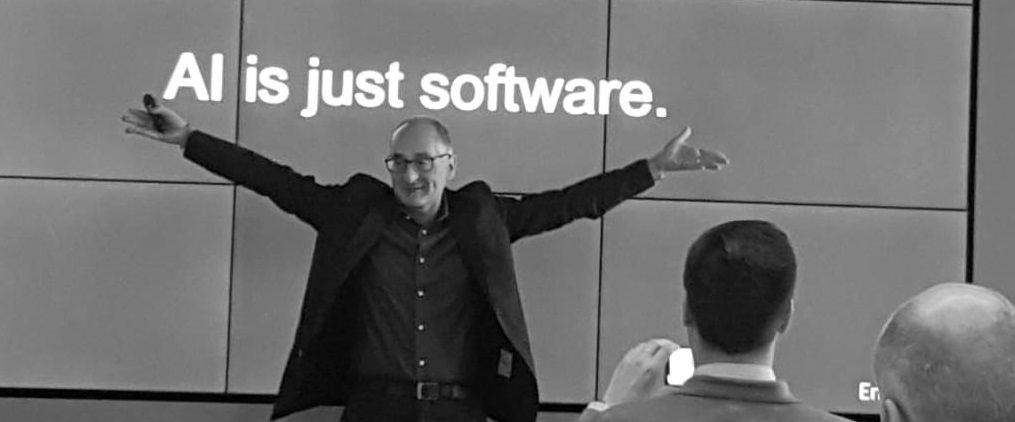
The rationale behind “AI Is Just Software” is that plain AI black-boxes alone are meaningless for customers. Customers, instead, need end-to-end solutions in which the power of AI black boxes is unleashed within the boundaries of a software-based pipeline that solves a business problem.
The Greatness of Human Thought
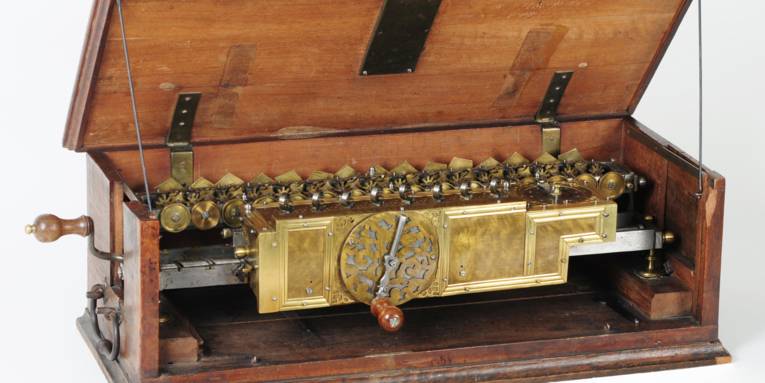
The journey towards computation started in the Middle Age and ended in 1931 when Kurt Gödel proved that, within the limits of a consistent formal system, any reasoning could always be expressed as a set of formal rules and then, in some way, mechanized.
 Pragmatic Opinions